Enhancing User Engagement: Leveraging Advanced UI and UX for Better Outcomes
Enhancing User Engagement: Leveraging Advanced UI and UX for Better Outcomes
by
8 min read
11 min read
8 min read
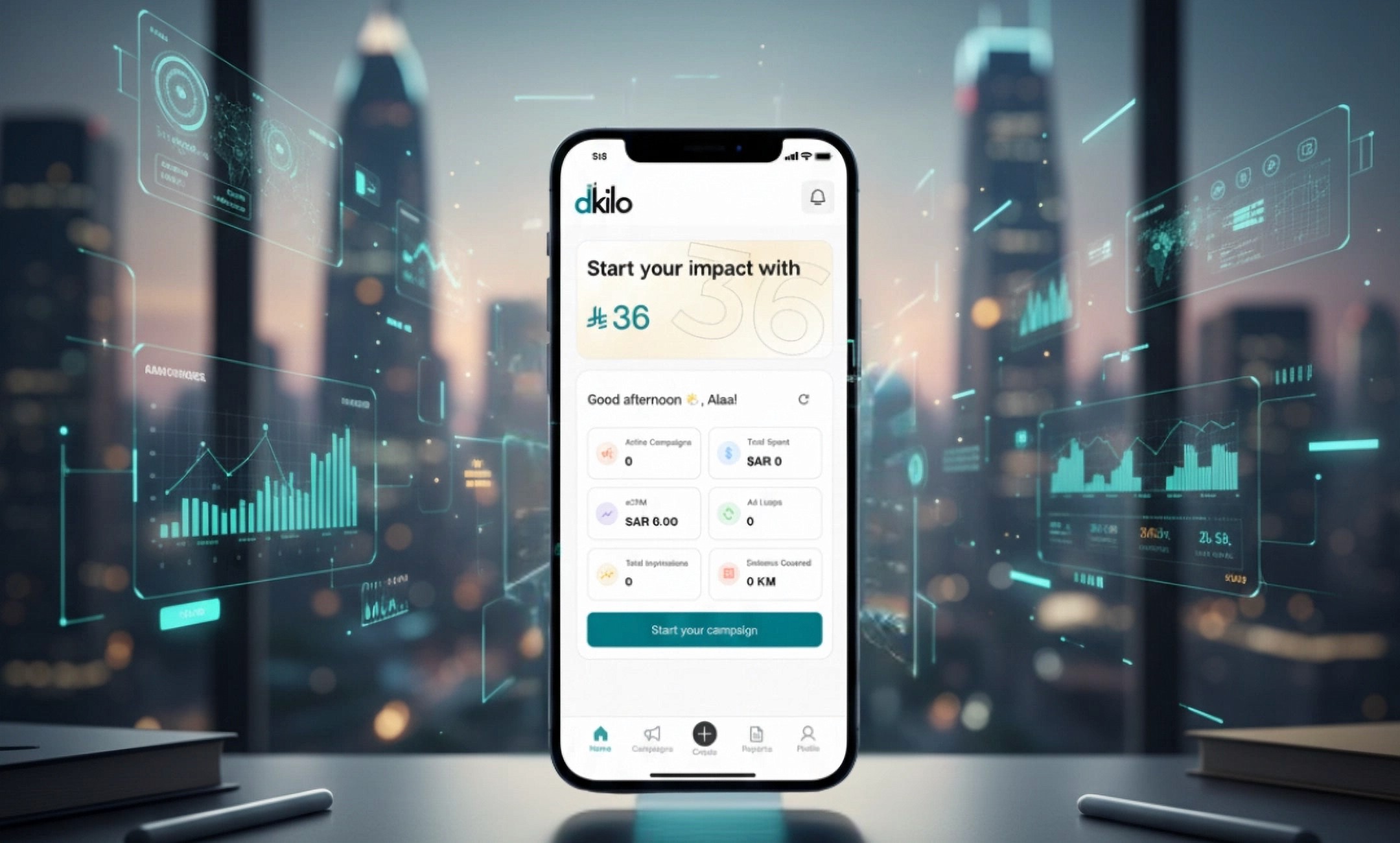
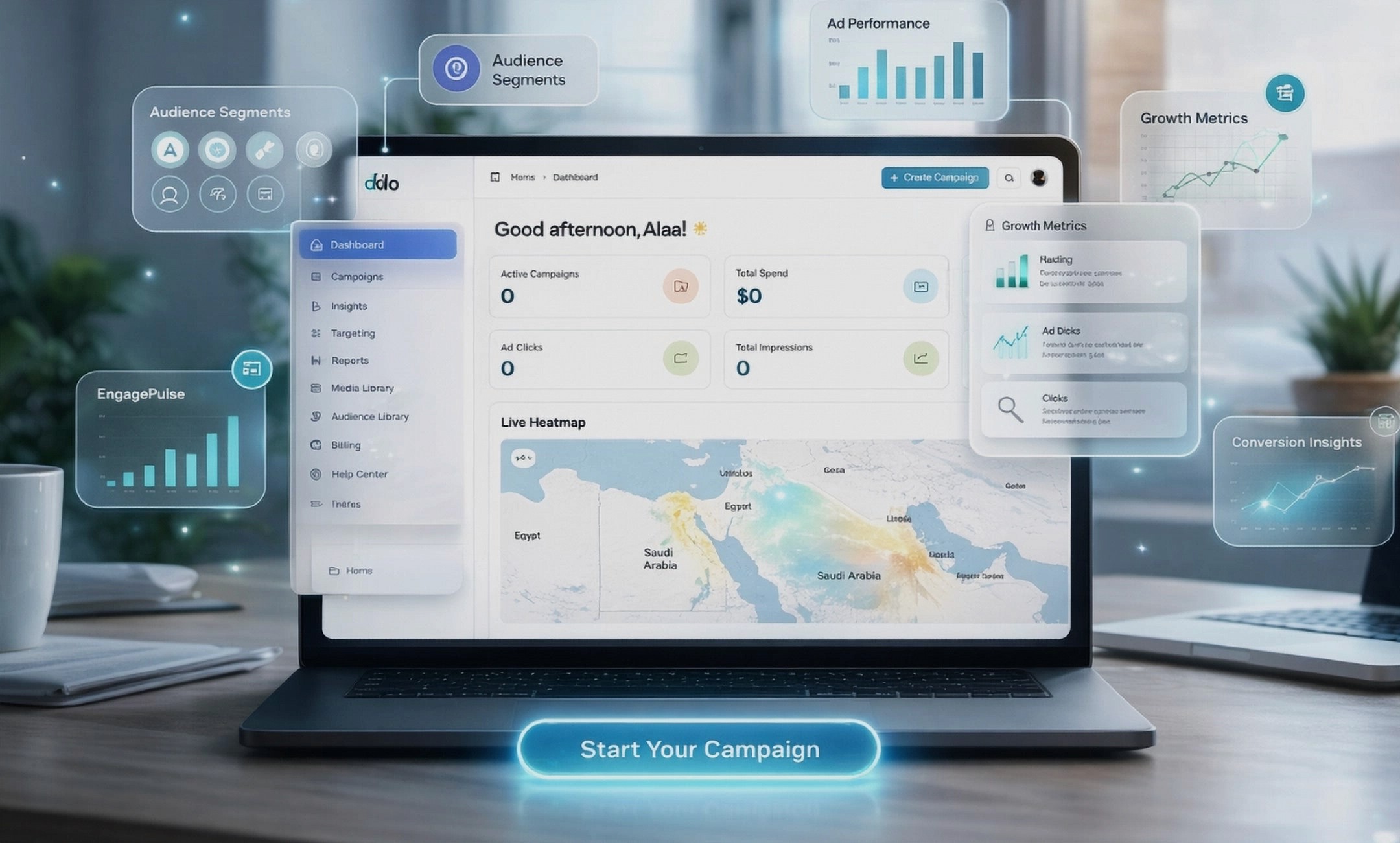
User engagement remains a top priority for advertisers, CEOs, and marketing managers aiming to boost digital performance. The quality of user interaction with a website or app directly influences conversions, brand loyalty, and overall success. Advanced UI and UX play a crucial role in shaping these interactions. This post explores how to use advanced UI and UX techniques to improve user engagement and drive better results.
Advanced UI and UX go beyond basic design principles. They focus on creating seamless, intuitive, and enjoyable experiences that meet user needs and business goals. Effective user interface design is not just about aesthetics; it’s about guiding users effortlessly toward desired actions.
For example, a well-designed checkout process with clear progress indicators and minimal distractions can reduce cart abandonment rates. This is a direct result of thoughtful UI/UX design for conversions.
To build strong user engagement strategies, start by understanding your audience’s behavior and preferences. Use data analytics and user feedback to identify pain points and opportunities.
Simplify navigation: Users should find what they need quickly. Use clear menus, logical categories, and consistent layouts.
Use visual hierarchy: Highlight important elements like call-to-action buttons using size, color, and placement.
Ensure responsiveness: Design interfaces that work smoothly on all devices, including smartphones and tablets.
Incorporate micro-interactions: Small animations or feedback signals (like button highlights or loading indicators) keep users informed and engaged.
Personalize experiences: Tailor content and recommendations based on user behavior to increase relevance.
These tactics are part of effective user interface design that supports engagement and conversions.
Conversions are the ultimate goal of many digital marketing efforts. UI/UX design for conversions focuses on removing barriers and encouraging users to complete actions such as signing up, purchasing, or requesting information.
Consider these practical steps:
Clear calls to action: Use concise, action-oriented language on buttons and links.
Reduce form fields: Ask only for essential information to avoid overwhelming users.
Build trust: Include testimonials, security badges, and transparent policies.
Test and iterate: Use A/B testing to compare different designs and find what works best.
For instance, an e-commerce site that redesigned its product pages with larger images, simplified descriptions, and prominent “Add to Cart” buttons saw a 20% increase in sales within three months. This improvement came from focusing on UI/UX in digital marketing.
UI/UX should not be an afterthought but a core part of digital marketing campaigns. When landing pages, email templates, and ads align with user engagement strategies, the entire funnel becomes more effective.
Consistent branding and messaging: Ensure visual and verbal elements match across channels.
Fast loading times: Speed affects user satisfaction and search rankings.
Mobile-first design: Most users access content via mobile devices, so prioritize mobile usability.
Accessibility: Design for users with disabilities to widen your audience and comply with regulations.
A marketing manager who coordinated UI/UX improvements with campaign launches reported higher click-through rates and longer session durations, showing the value of integrating these disciplines.
Tracking the success of UI/UX efforts requires clear metrics. Focus on:
Engagement rates: Time on site, pages per session, and bounce rates.
Conversion rates: Percentage of visitors completing desired actions.
User feedback: Surveys and usability tests reveal satisfaction and issues.
Behavioral analytics: Heat-maps and click tracking show how users interact with the interface.
Regularly reviewing these metrics helps refine user engagement strategies and UI/UX design for conversions.
Advanced UI and UX are essential tools for anyone looking to improve user engagement and achieve better outcomes in digital marketing. By focusing on clear navigation, responsive design, personalized experiences, and conversion-friendly interfaces, businesses can create meaningful connections with their audience. The next step is to apply these principles consistently and measure their impact to keep improving.