Unlocking the Power of Geo-Targeted DOOH Ads for Better Engagement and ROI
Unlocking the Power of Geo-Targeted DOOH Ads for Better Engagement and ROI
by
9 min read
12 min read
9 min read
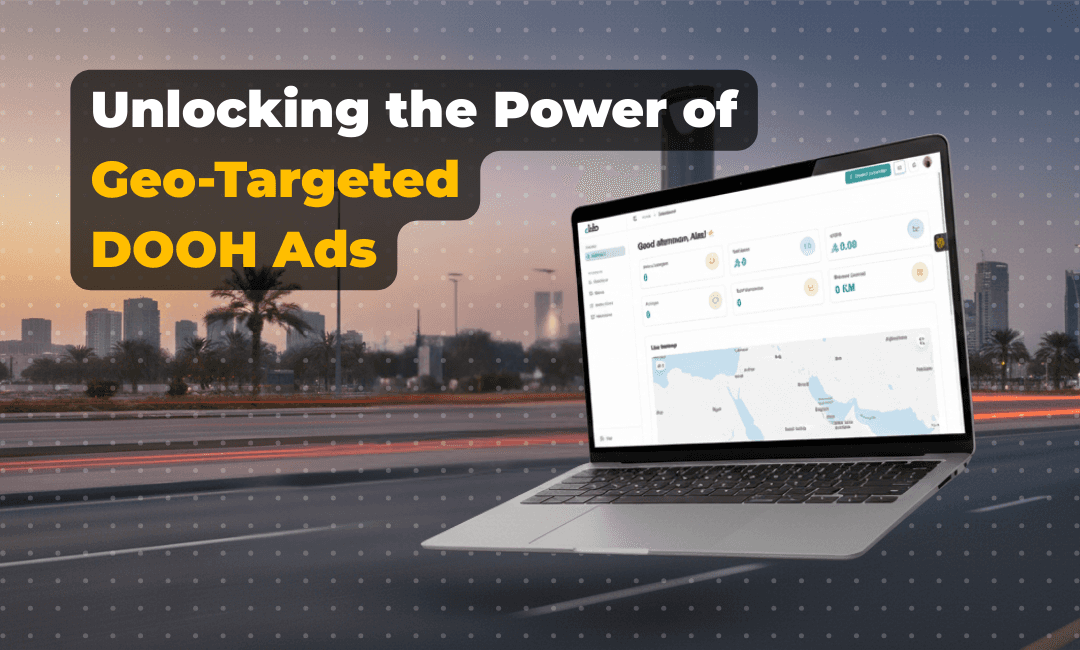
In a marketplace crowded with messages, reaching the right audience at the right moment is a challenge for every brand. Traditional billboards offer visibility but often miss the mark on relevance. Geo-targeted Digital Out-of-Home (DOOH) advertising changes this by delivering dynamic, location-based content that adapts in real time. This approach not only grabs attention but also drives stronger engagement, higher conversions, and improved return on investment.
Unlike static billboards that display the same message regardless of who passes by, geo-targeted DOOH ads use location data to tailor content specifically to the audience nearby. This means ads can change based on:
The neighborhood or district
Time of day or day of the week
Weather conditions
Local events or traffic patterns
For example, a coffee shop near a busy train station can show a morning promotion during rush hour, then switch to a lunch special in the afternoon. This flexibility creates a more relevant and timely experience for viewers.
Geo-targeted DOOH ads rely on real-time data feeds to adjust their messaging instantly. This data can come from various sources such as GPS signals, mobile device locations, or even sensors detecting foot traffic. By analyzing this information, advertisers can:
Identify peak times for specific audiences
Adjust offers based on current weather (e.g., promoting cold drinks on hot days)
Respond to local events (e.g., sports games, festivals)
This responsiveness leads to higher engagement because the ads feel personalized and useful rather than generic noise.
Several brands have seen measurable success by using geo-targeted DOOH advertising:
A fast-food chain increased sales by 15% after running location-specific lunch deals near office districts during weekdays.
A retail clothing store boosted foot traffic by 20% by displaying weather-appropriate outfit ads in shopping malls on rainy days.
A movie theater improved ticket sales by targeting ads to commuters near transit hubs during evenings, promoting new releases.
These examples show how geo-targeting helps brands connect with consumers in ways that static ads cannot.
Ads that reflect the viewer’s current environment or needs capture attention more effectively. When people see messages that feel relevant, they are more likely to notice, remember, and act on them.
By delivering offers and information that match the audience’s location and context, geo-targeted DOOH ads encourage immediate responses. For instance, a nearby restaurant promoting a limited-time discount can drive walk-in customers directly.
Instead of broadcasting the same message everywhere, brands can focus their spend on locations and times that matter most. This targeted approach reduces wasted impressions and improves overall campaign efficiency.
Showing that a brand understands local preferences and conditions builds trust and connection. Consumers appreciate personalized experiences, which can lead to stronger loyalty.
To get the most from geo-targeted DOOH advertising, consider these practical steps:
Define clear goals: Know whether you want to increase foot traffic, boost sales, or raise awareness in specific areas.
Use accurate location data: Partner with reliable data providers to ensure your ads reach the intended audience.
Create adaptable content: Design visuals and messages that can change easily based on different triggers like time or weather.
Monitor and adjust: Track performance metrics regularly and tweak campaigns to improve results.
Integrate with other channels: Combine geo-targeted DOOH with mobile or social campaigns for a seamless customer journey.
While geo-targeted DOOH offers many advantages, some challenges exists
Privacy concerns: Ensure compliance with data protection laws and avoid collecting personally identifiable information.
Technical complexity: Managing real-time data feeds and dynamic content requires the right technology and expertise.
Cost considerations: Initial setup and data integration may require investment, but the improved ROI often justifies the expense.
By planning carefully and working with experienced partners, businesses can navigate these issues successfully.
As technology advances, geo-targeted DOOH ads will become even more precise and interactive. Integration with artificial intelligence and machine learning will allow ads to predict audience needs and preferences better. Additionally, combining geo-targeting with other data points like demographics or purchase history will create richer, more personalized experiences.
Brands that adopt these strategies early will gain a competitive edge by delivering messages that truly resonate with their audience.